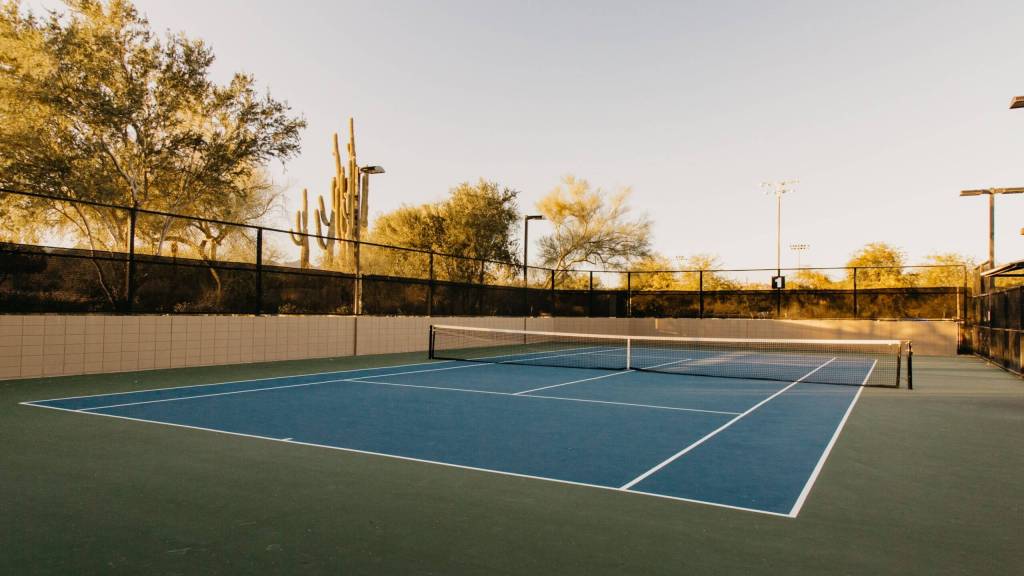
There’s something quietly aspirational about a tennis court. It’s not just a rectangle of paint and netting; it’s early-morning rallies, weekend matches, and the slow satisfaction of watching a space become part of daily life. Whether you’re a homeowner dreaming of private play, a school planning facilities, or a club expanding its offerings, building a tennis court is one of those projects that feels straightforward on paper — but rarely is in practice.
I’ve spoken to people who thought it would be a quick job, only to realise later that drainage, materials, and maintenance matter far more than they expected. Others obsessed over aesthetics but underestimated how surface choice affects knees, pace, and long-term costs. The truth sits somewhere in the middle. A well-built court is part engineering, part design, and part honest planning.
Understanding the Real Cost Without Guesswork
One of the first questions that always comes up is how much to build a tennis court— and it’s a fair one. But it’s also where many people get misled by oversimplified estimates. The cost isn’t just about laying a surface. It includes ground preparation, drainage systems, fencing, lighting, and often permits or local compliance requirements.
In broad terms, a standard outdoor court can range widely depending on location and expectations. A basic court with minimal extras may sit at the lower end, while premium builds with lighting, advanced surfacing, and professional fencing can climb significantly. What matters most isn’t chasing the cheapest number, but understanding what’s included — and what isn’t. Skipping proper groundwork, for example, can save money upfront but almost always leads to cracks, pooling water, and expensive repairs later.
Why Surface Choice Shapes Everything
The surface you choose quietly dictates how the court feels, how it plays, and how much care it demands over the years. Tennis players notice this instantly — even casual ones. Bounce height, speed, and joint impact all change with surface type, and so does your maintenance routine.
When people talk about tennis court surface material, they’re usually weighing three familiar options: hard courts, clay, and grass. Hard courts are popular for their durability and relatively low upkeep. Clay offers slower play and reduced joint stress, but needs regular grooming. Grass, while iconic, demands the most care and is rarely practical outside elite or heritage settings.
What’s often overlooked is climate. A surface that performs beautifully in dry conditions may struggle in areas with heavy rain or temperature swings. Matching the surface to local weather and usage patterns is one of those unglamorous decisions that pays off quietly for decades.
Location, Drainage, and the Things You Don’t See
If there’s one lesson seasoned builders repeat, it’s this: the court beneath the court matters most. Proper excavation and drainage are the foundation — literally. Without them, even the best materials will fail.
Drainage design depends heavily on soil type and slope. Clay-heavy ground behaves very differently from sandy soil, and ignoring that reality is where many projects stumble. Good drainage keeps the surface playable, extends its life, and prevents the subtle warping that players feel long before cracks appear.
Orientation also plays a role. Courts aligned north–south reduce sun glare during play, something players appreciate far more than decorative fencing or colour schemes.
Maintenance Is Part of the Investment
A tennis court isn’t a “build it and forget it” project. Even low-maintenance surfaces require cleaning, inspections, and occasional resurfacing. Budgeting for this upfront makes ownership far more enjoyable — and far less stressful.
Hard courts typically need resurfacing every few years, while clay courts need seasonal attention and regular rolling. Grass courts, though rare, demand constant care. None of this is inherently bad; it’s simply part of owning something that’s meant to be used, not just admired.
The key is honesty with yourself. If you want something that looks pristine with minimal effort, choose accordingly. If you enjoy hands-on upkeep, more traditional surfaces can be deeply rewarding.
Choosing the Right Partner for the Job
This is where experience really matters. A reputable tennis court company doesn’t just build courts — they guide decisions, flag potential issues early, and adapt designs to real-world conditions. The best ones ask uncomfortable questions before a single shovel hits the ground.
It’s worth looking beyond glossy portfolios. Ask about past projects in similar climates. Ask how they handle drainage problems or unexpected ground conditions. A builder who explains risks openly is far more valuable than one who promises perfection.
Planning for Use, Not Just Completion
One mistake I see often is planning a court for opening day rather than for year ten. Think about who will use it, how often, and in what ways. Will it host competitive play? Casual family games? Coaching sessions? Lighting, fencing height, and surface resilience all change depending on those answers.
Small details matter more over time than they do at the start. Comfortable access paths, seating areas, and even wind exposure can quietly shape how often the court gets used.
The Long View: Value Beyond the Court
A well-built tennis court adds more than recreation. It can increase property appeal, encourage healthier routines, and create a shared space that draws people together. For clubs and schools, it’s an investment in community and engagement as much as infrastructure.
 Site Title
Leave a comment