I’ve always believed that the soul of a home is tucked inside the details most people don’t even notice at first glance. You know—those finishing touches that don’t shout for attention yet somehow make the whole space feel pulled together. Lately, I’ve been fixated on these tiny design elements, the ones hiding in corners or blending into the edges of a room, quietly shaping the atmosphere without asking for applause.
It’s funny how often we obsess over the big things—paint colors, couches, light fixtures—while the understated elements end up doing a surprising amount of heavy lifting. I didn’t fully realize this until I helped a friend with a small renovation project last year. The budget was tight, the timeline even tighter, and yet the biggest transformation came from the simplest change. That experience shifted the way I look at interiors, maybe even life a little.
When the Edges Matter More Than the Center
One detail that really opened my eyes was the way the edges of surfaces can make or break the flow of a room. In my friend’s case, it was the transition between the kitchen backsplash and the painted wall. The tiles were gorgeous, but something felt “unfinished,” like a sentence that ends without punctuation.
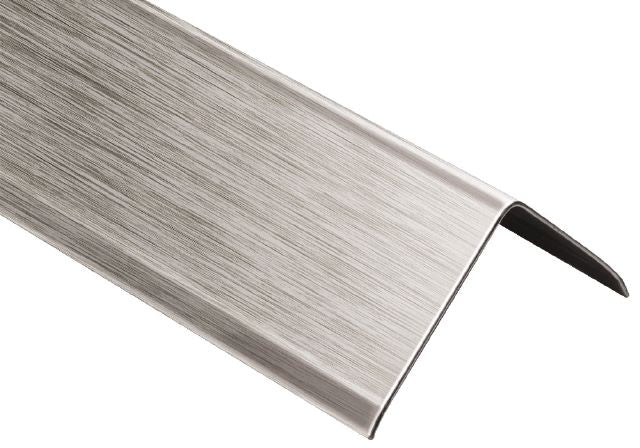
That’s where an L profile quietly stepped into the spotlight. We installed it almost as an afterthought, but the moment it clicked into place, the space suddenly felt intentional, complete. The sharp corner softened, the colors framed themselves, and the whole wall looked… well, more grown-up. What struck me was how subtle the change was—blink and you’d miss it—but emotionally, it landed with surprising weight.
There’s something oddly satisfying about finishing edges. It’s like smoothing out the final brushstroke of a painting or trimming loose threads off a sweater. Tiny actions, big mood shift. And that’s what I’ve come to appreciate in good design: it doesn’t always need to announce itself to matter.
How Small Details Shape the Mood of a Room
Take a walk through your own home and look closely at where materials meet. Walls brushing up against countertops. Tile nudging into hardwood. Corners bending into hallways. These “in-between” spaces often carry more visual responsibility than we give them credit for.
During renovations, people tend to focus on the star players: cabinetry, appliances, flooring. But the supporting cast—edge trims, moldings, transitions—are the ones making sure the whole story reads smoothly. Without them, everything looks slightly off, even if you can’t articulate why.
A good finishing touch adds subtle confidence to a room. It gives your eye a place to rest and signals intentionality. And honestly, it doesn’t have to cost much. Sometimes spending a few extra dollars on the edges gives you more aesthetic payoff than splurging on a trendy fixture you’ll be tired of in a year.
The Unsung Hero of Tiled Spaces
One design element I think deserves a bit more appreciation? The humble tile edge trim. It’s one of the first things a contractor will remind you about—usually after you’ve fallen in love with a tile that doesn’t naturally finish well. And trust me, I used to roll my eyes at the idea. Why does such a tiny metal or plastic strip matter so much?
Until I saw a shower renovation where they skipped it. The tiles ended abruptly at the wall’s edge, leaving a raw, jagged look that instantly cheapened the entire bathroom. The room had expensive porcelain tiles, a rainfall showerhead, even sleek black fixtures—but without proper edging, the whole thing felt unfinished, almost sloppy.
Then the trim went in. The edge suddenly made sense. The wall felt aligned, polished, purposeful. These little strips frame your design like a picture frame around a painting—they don’t steal attention, but without them, the artwork feels incomplete.
Details That Say “Someone Cared”
Here’s something I’ve learned through my (many) impulse DIY projects: good design isn’t always about extravagance; it’s about thoughtfulness. And edges—those quiet little guardians—are often the biggest clues that someone cared about the final product.
Think of a beautifully wrapped gift. Even if it’s just a book or a mug, when the ribbon is tied neatly and the corners are crisp, it makes you feel something extra. It tells you the giver slowed down for a moment. Interiors work the same way. A neatly finished corner, a smooth transition, a perfectly aligned trim—they’re signals of intention.
When You Start Noticing the Details, Everything Changes
Once you train your eyes to appreciate these touches, you begin noticing them everywhere: restaurants, hotels, friends’ homes, even stores. Sometimes a small piece of trim is the difference between “charming boutique café” and “generic chain restaurant.”
And if you’re renovating or decorating, this awareness becomes a superpower. You can stretch your budget further because you learn where to invest attention rather than money. A modest bathroom can look high-end with well-chosen edging. A simple kitchen backsplash can feel custom-built with the right profile. Even a DIY weekend project can feel professional with the right finishing touches.
Creativity Lives in the Corners
What I love most about details like profiles and trims is how customizable they are. Matte black if you want something bold. Brushed aluminum for an industrial vibe. White PVC if you’re keeping things on the affordable side.
Sometimes I’ll sit with samples in my hands, trying to imagine how each one shifts the personality of a space. It feels a bit like picking jewelry for an outfit—there’s no right answer, just the vibe you want to create. And that’s what makes these details feel delightfully human. They give you choices. They let you express something subtle but meaningful.
A Final Thought on Quiet Design
The longer I spend thinking about home interiors, the more convinced I am that the little things often shape the experience the most. They’re the unsung heroes, the finishing strokes that whisper, “Yes, someone took care with this.”
 Site Title
Leave a comment